As leather shoe experts, we are here to share some insights on what we have learned after being in the shoe business for over 30 years. We have worked for many shoe brands and even owned and built a shoe brand. Women often ask us: can leather shoes get wet? Read on to get our thoughtful advice, ladies!
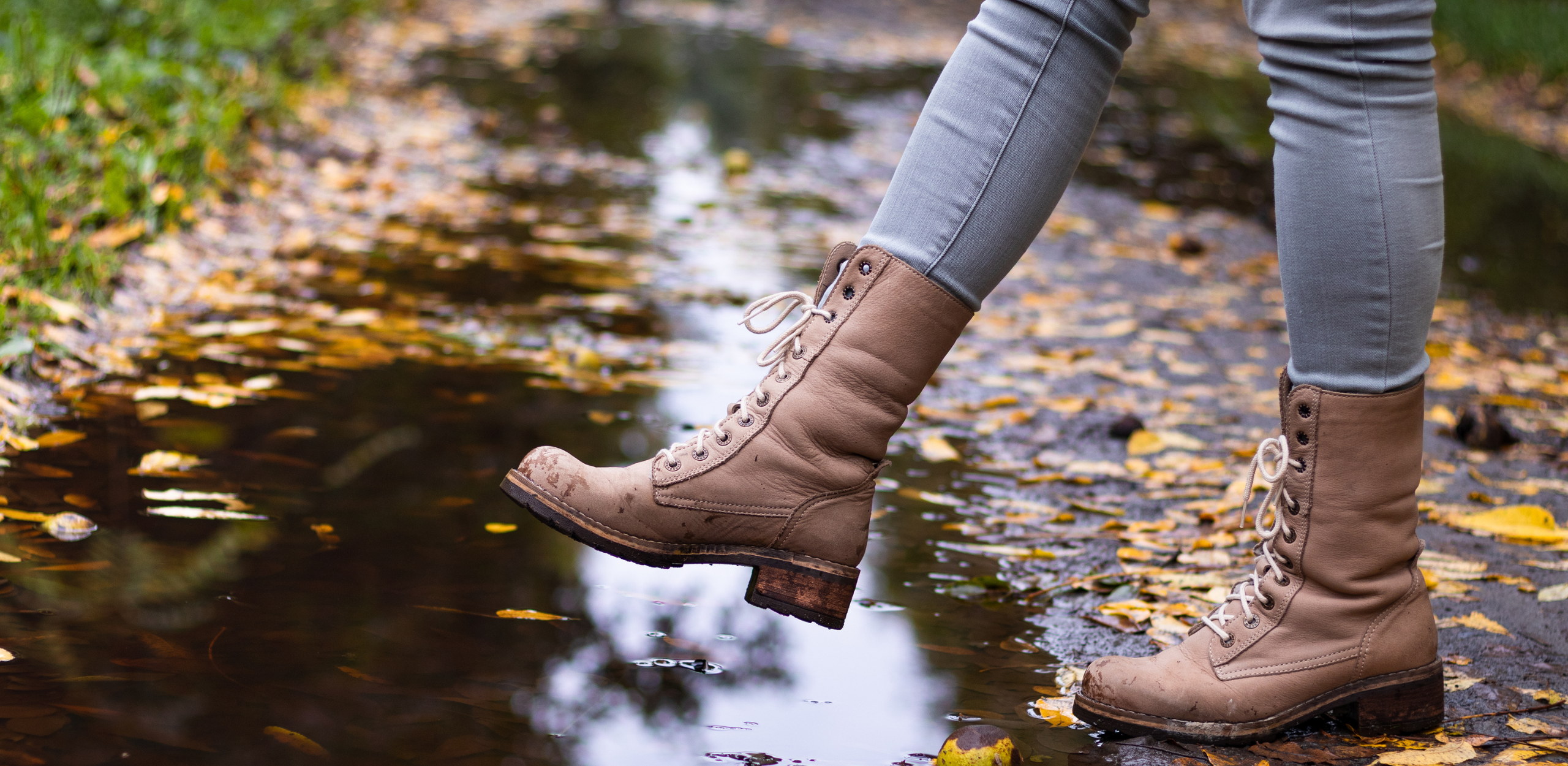
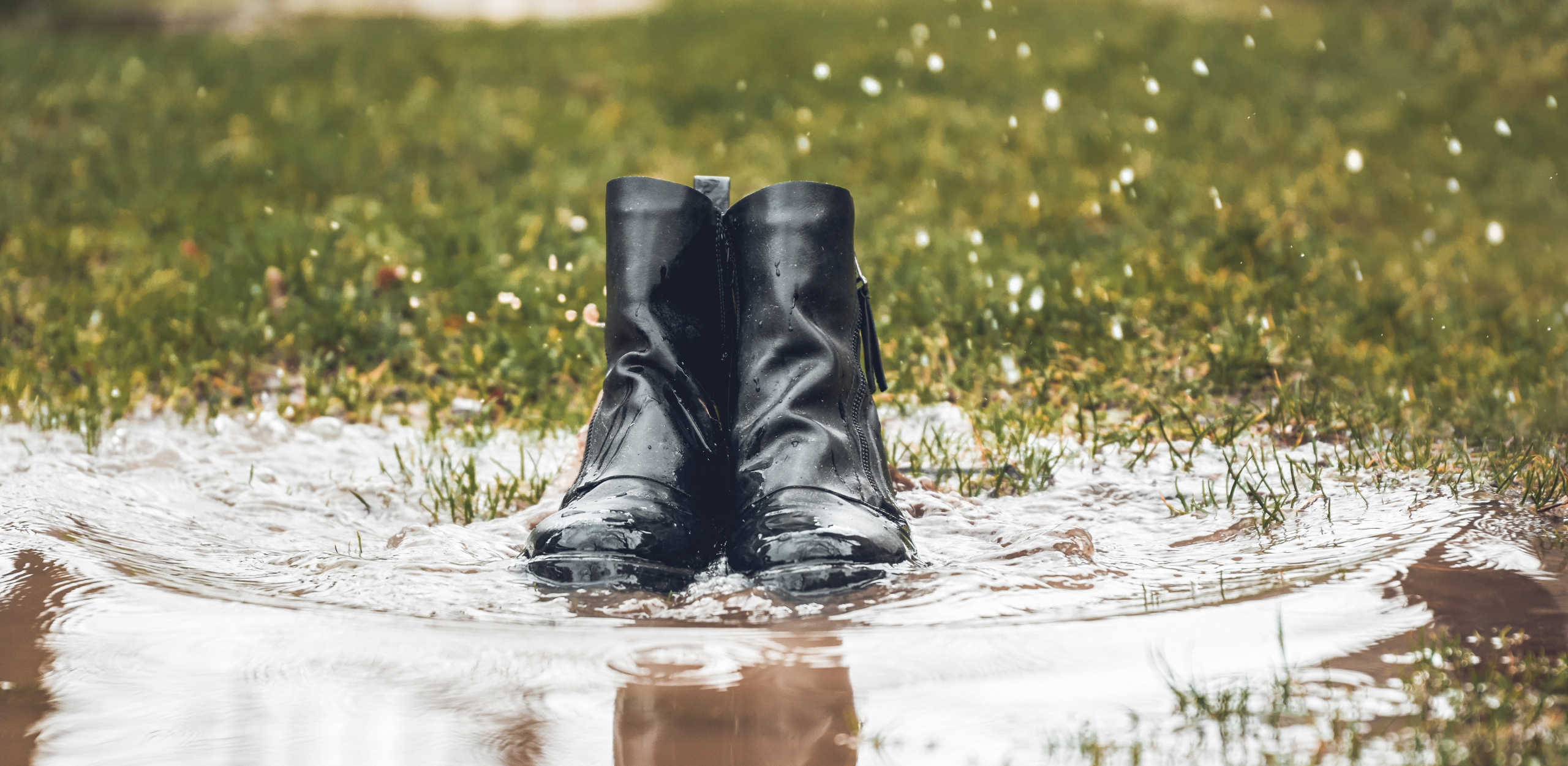
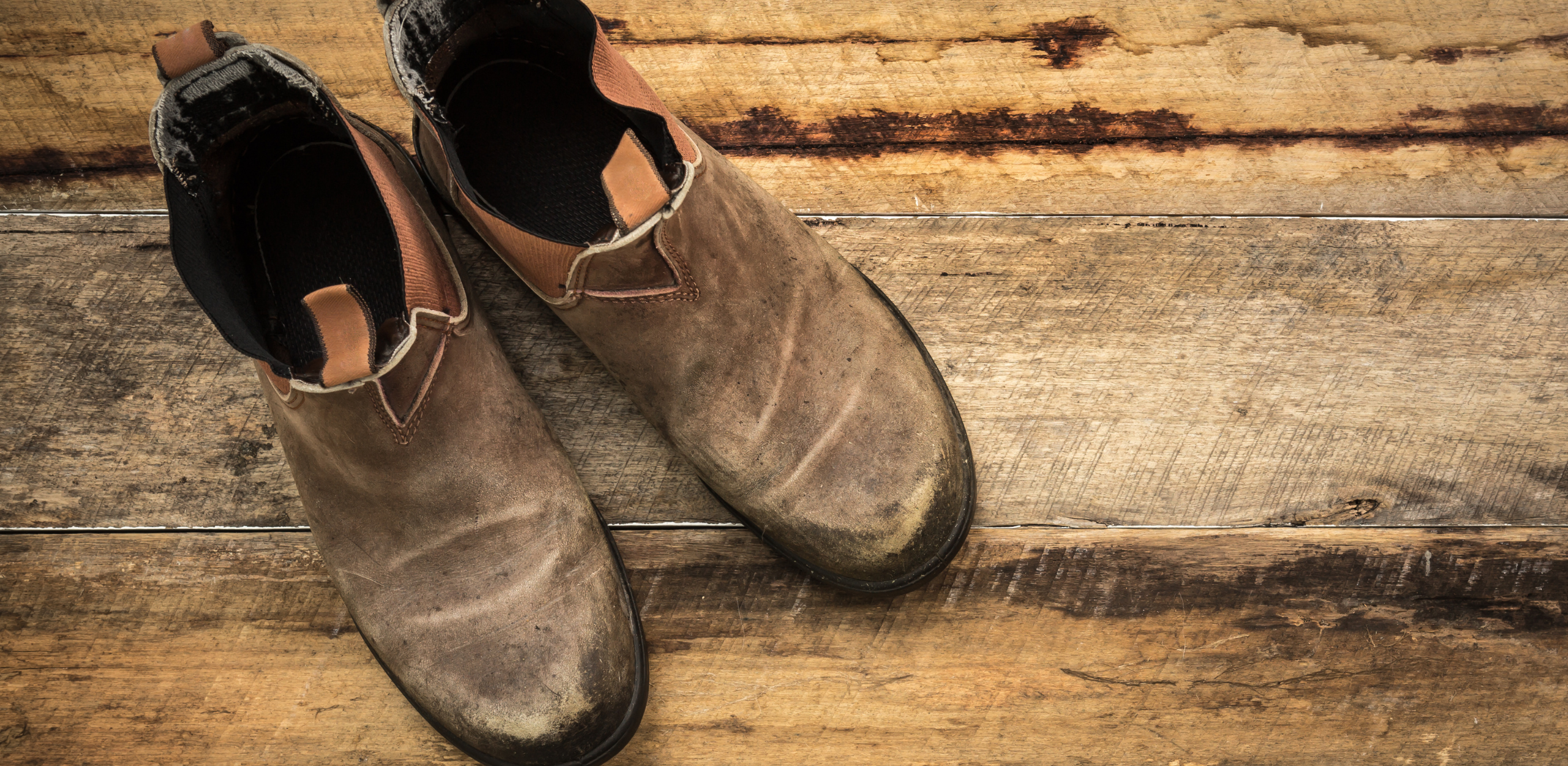
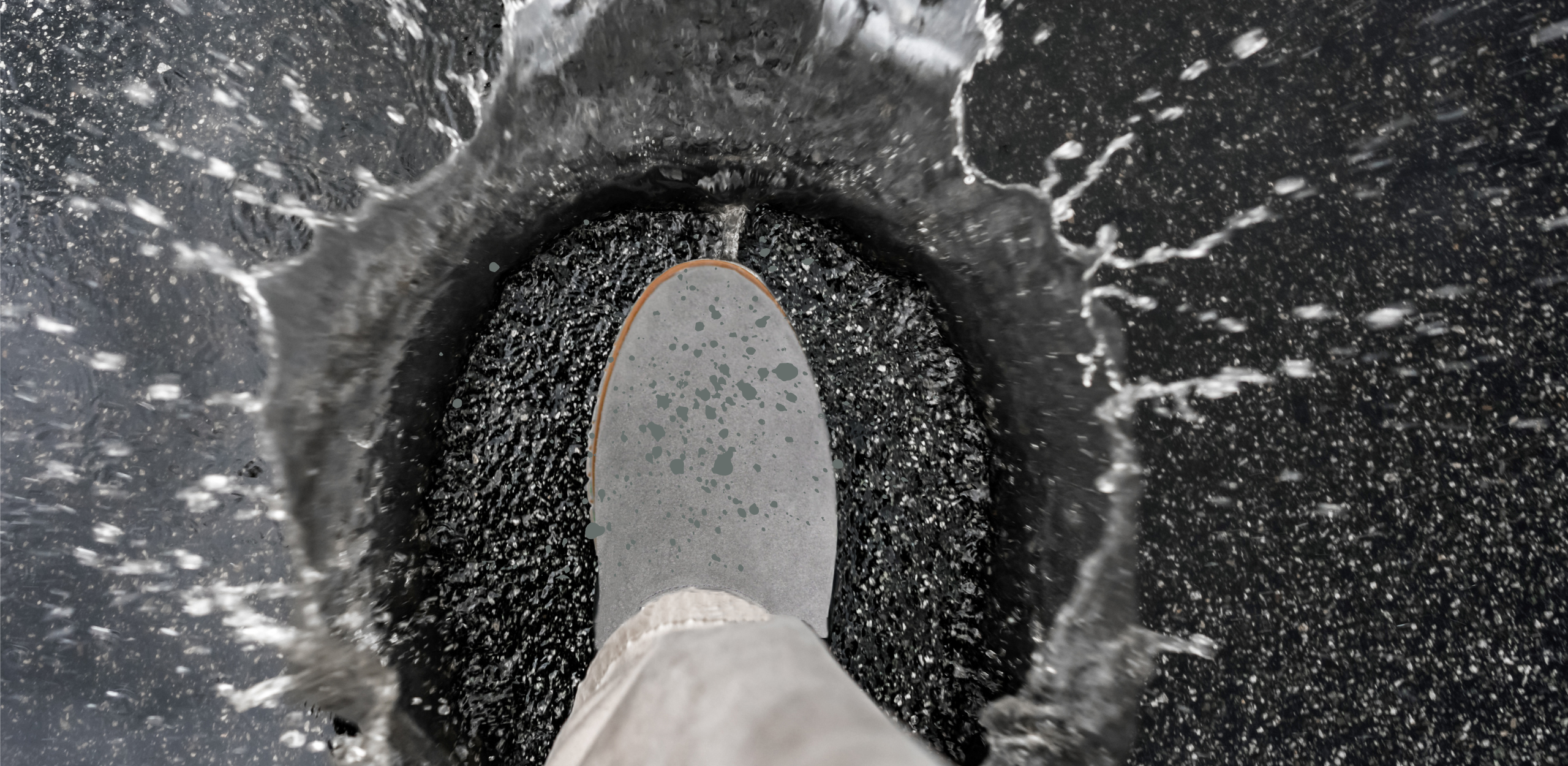
Leather shoes and boots can get wet without permanent damage if cared for correctly afterward. However, too much water can damage your leather because leather is a porous material; it will quickly soak up the water. Excessive water exposure can harm leather by causing it to shrink, crack, or lose shape once it dries.
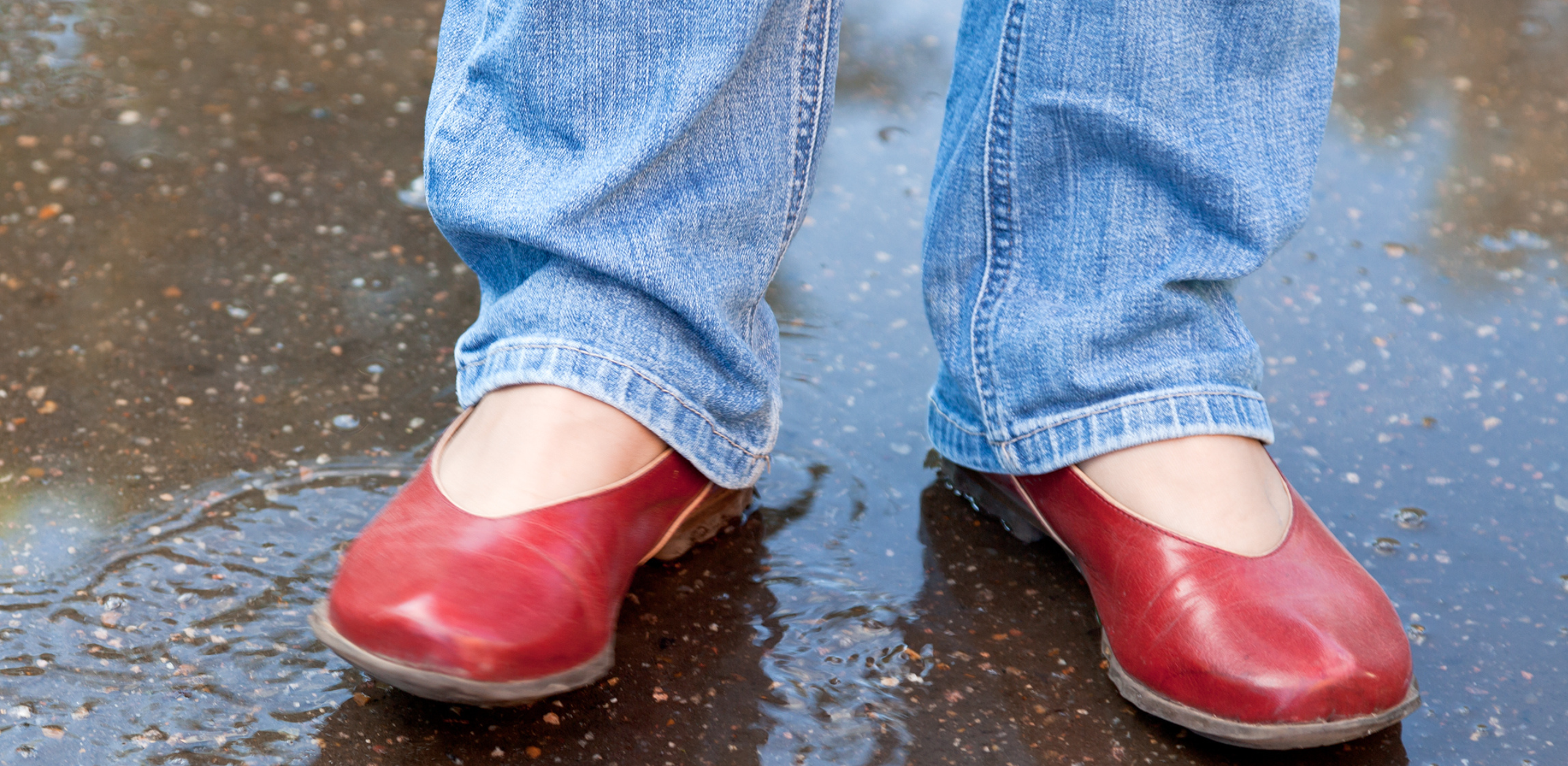
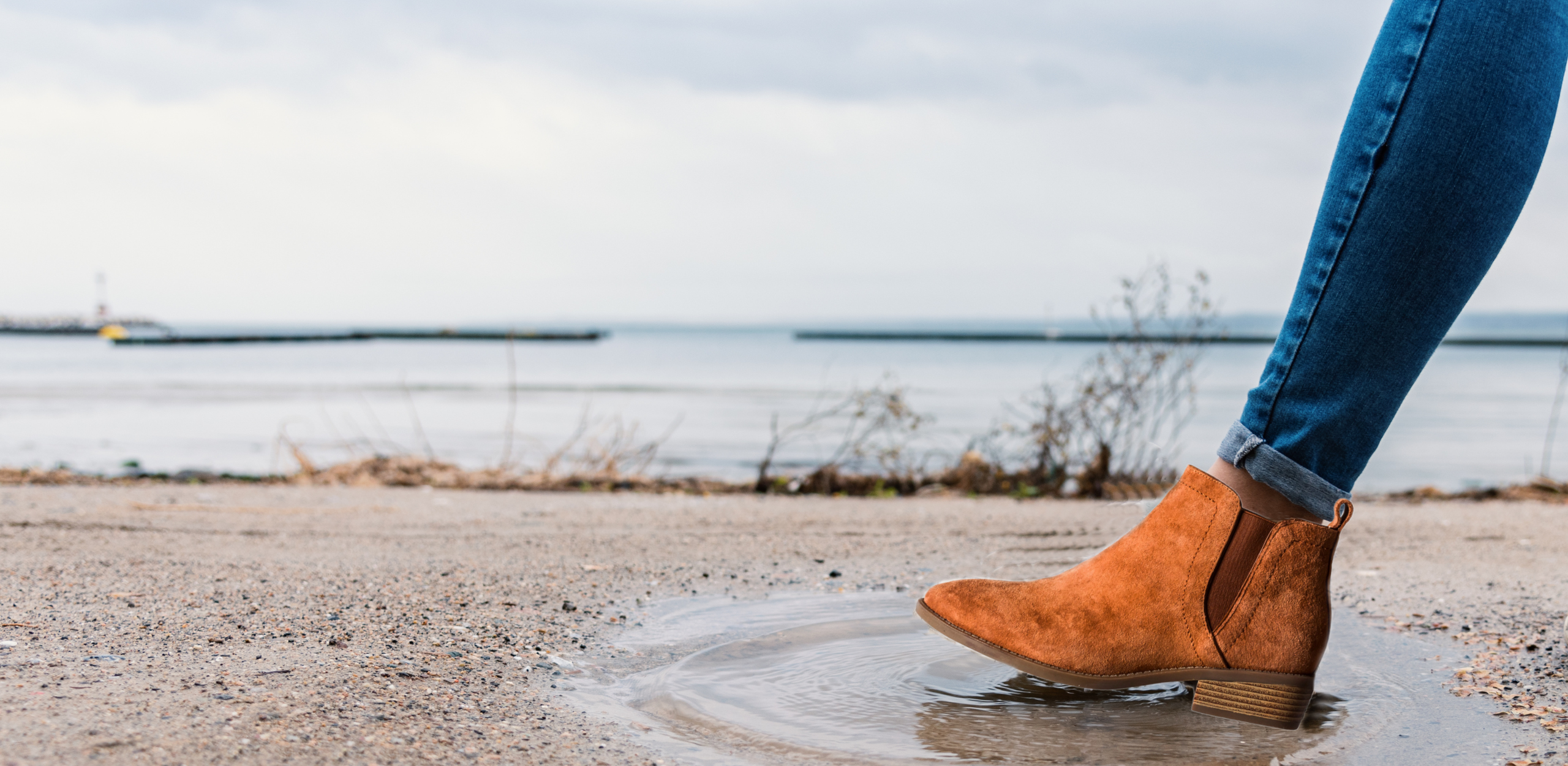
Wearing rain boots is always a good idea when you wake up on a rainy day. They will keep your feet dry and more comfortable throughout the day than wet leather shoes or boots. However, if you find yourself unexpectedly soaked while wearing leather boots or shoes, the worst that can happen is that your feet and socks get wet. Even if your leather shoes get soaking wet, you can take proper steps to restore them to their original condition.
You might also be interested in these guides written by our shoe experts:
Suede Shoe Care
Leather Shoe Care
Stretching Leather Shoes at Home
How to measure your foot
Editor’s Note: Our Can Leather Shoes Get Wet Guide was last updated on March 2, 2024.
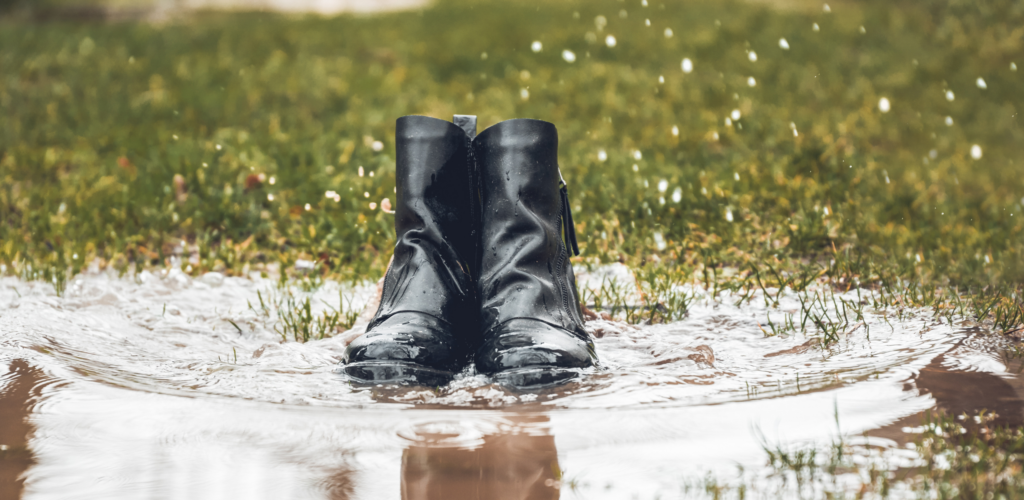
What to do if Leather Shoes Get Wet?
When you arrive home, prioritize taking them off. Don’t stress about any spots or discoloration. You can bring them back to their original state with patience. Follow these steps to revive them:
Dry Leather Shoes Properly
If your leather shoes do get wet, it’s essential to dry them properly to minimize potential damage. The first thing you should do is remove as much water as possible from the surface of the shoes. Use a soft, dry cloth to blot the water gently.
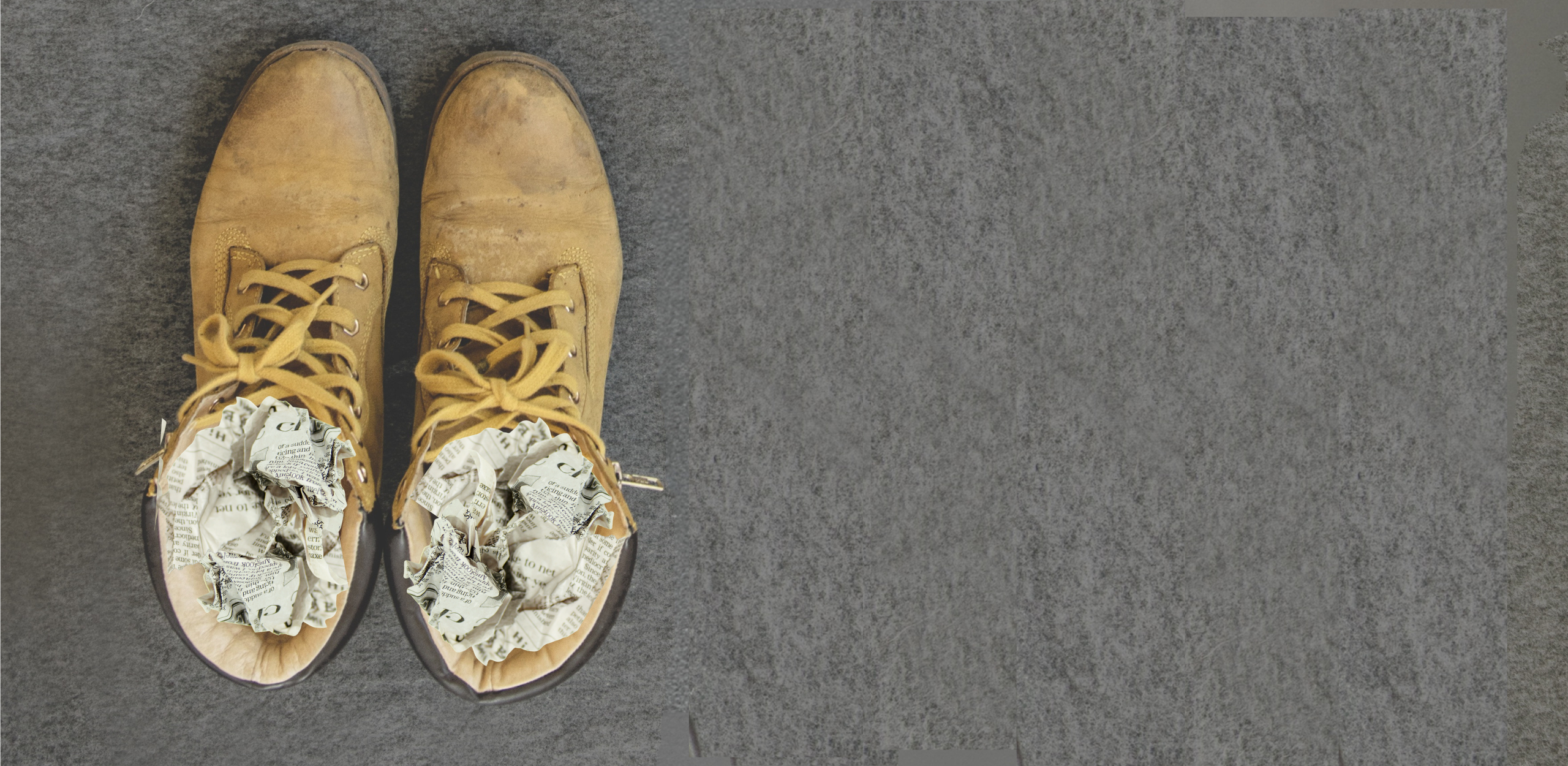
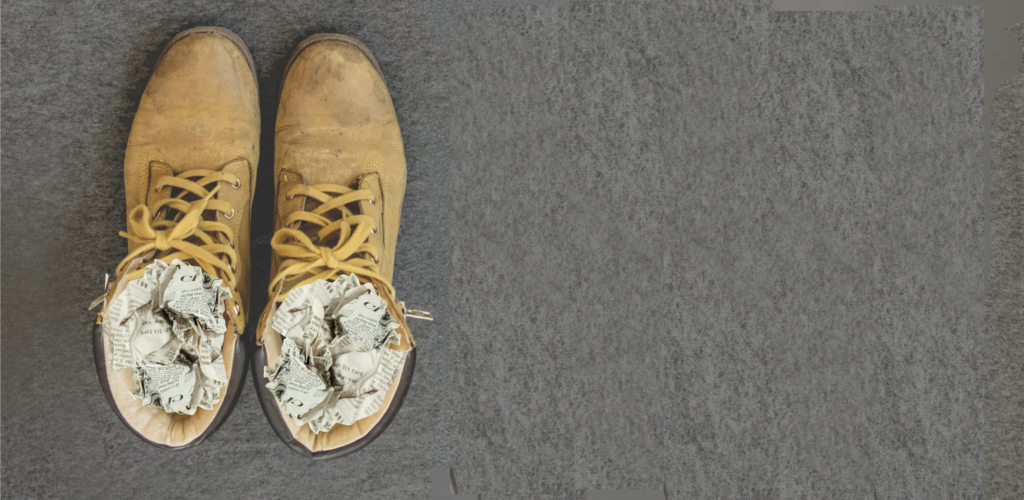
Next, stuff your shoes with newspaper, a clean rag, or a dish towel. This will help draw out the moisture from the inside of the shoe, maintaining its shape as it dries. Replace the newspaper or towel every few hours if required until it no longer becomes damp.
Then, allow your shoes to air dry naturally. Avoid placing them near a heater or in direct sunlight, as intense heat can cause the leather to dry out too quickly, leading to cracks. Don’t be tempted to blow dry them; this will further dry the leather. A cool, well-ventilated area is the best place to dry your leather shoes.
Conditioning Leather Shoes
Once the shoes are dry, you must condition the leather to restore its natural oils and keep it supple. When leather shoes get wet, they can lose their natural oils, making the material dry and brittle over time. Left untreated, cracks and creases can appear, affecting not only your shoes’ appearance but also their durability and comfort.
That’s where leather conditioner comes into play. A quality leather conditioner or balm penetrates the ‘skin ‘of your shoes, replacing the natural oils lost during wetting and drying. Like how lotion rejuvenates dry skin, conditioning reinvigorates leather, making it look smooth and hydrated.
After years of cleaning shoes, I can recommend Smith’s Shoe Balm. It is an effective, nontoxic conditioner. It is even better that Smith’s is a small, family-run business proudly made in Maine. I love supporting small businesses whenever possible, too.
Waterproof Leather Shoe Sprays
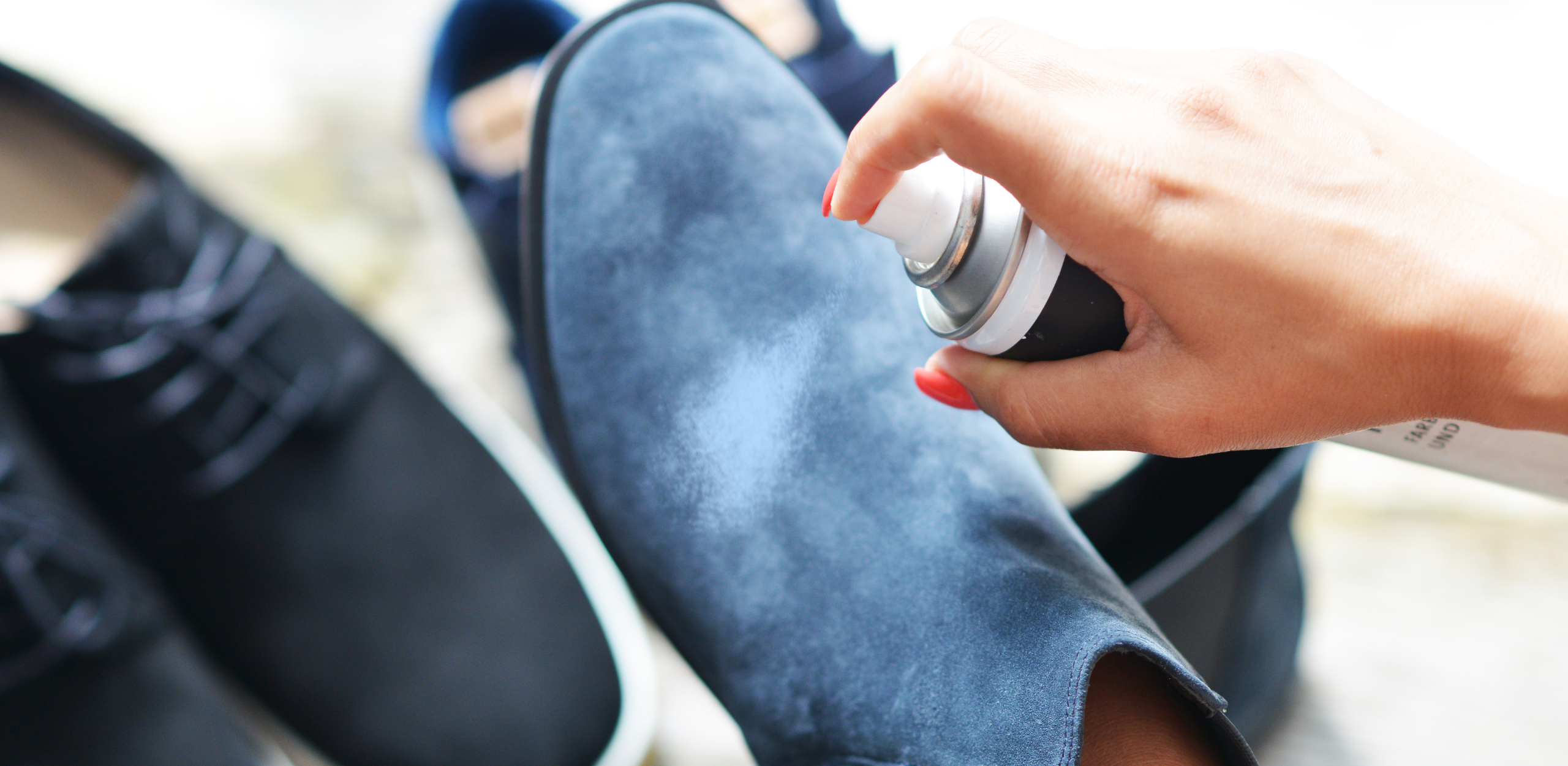
Finally, if you live in a rainy or snowy climate, your leather shoes or boots will benefit from an extra layer of protection against rain and other sources of moisture. Consider using a water-repellent spray explicitly designed for leather to protect your leather shoes from the rain.
The one generally known as the best in the shoe industry is from a Spanish maker: Tarrago Nano Protector. It creates an invisible leather that safeguards the surface and allows water, oil, and dirt to repel. This product works on suede and canvas, which is handy in the house.
To be safe, don’t assume that a spray that claims to work on leather will be safe for all types of leather. I always try a little bit of the mist on the back of the shoe first. Don’t be alarmed if the color darkens when you apply it to your shoe. You will notice a darkening of the leather with most sprays, but as it dries, the original color is restored.
Are Leather Shoes Waterproof?
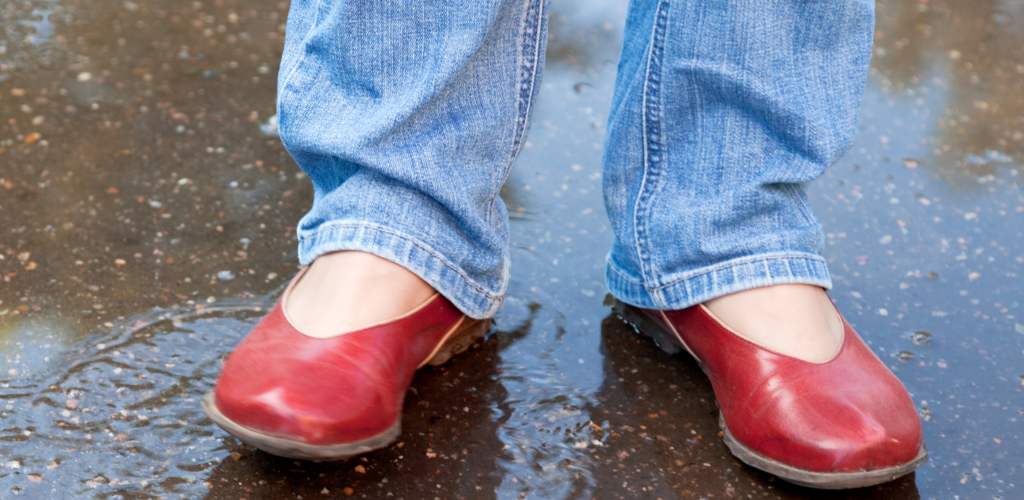
Although leather shoes have a natural degree of water resistance, they are not 100% waterproof. Leather can resist low amounts of water like rainwater or water splashing on the street, but it is not entirely impervious to water. When leather gets soaked, it absorbs moisture, and as it dries, it can stiffen and potentially ruin its soft surface without proper conditioning. However, certain types of leather, such as patent leather, are nearly waterproof due to the heavy surface coatings.
How To Fix Leather Boots With Water Damage
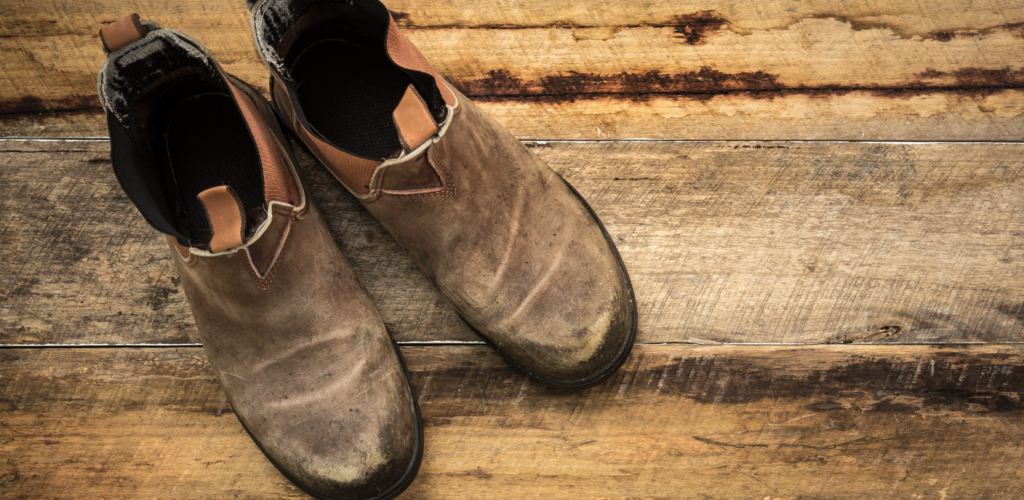
If you have a pair of boots in your closet that have been damaged by water and not promptly treated, there is still hope. You can try to bring them back to life by gently reconditioning them with lanolin-based products. More than one coat may be required, but your shoes can regain their character with patience. Once conditioned, a pigmented leather shoe cream will help restore their color and help revive their beauty.
Consulting a professional leather repair shop is best if the damage is too severe. They have the tools and expertise to repair damaged leather boots.
Can Suede Shoes Get Wet?
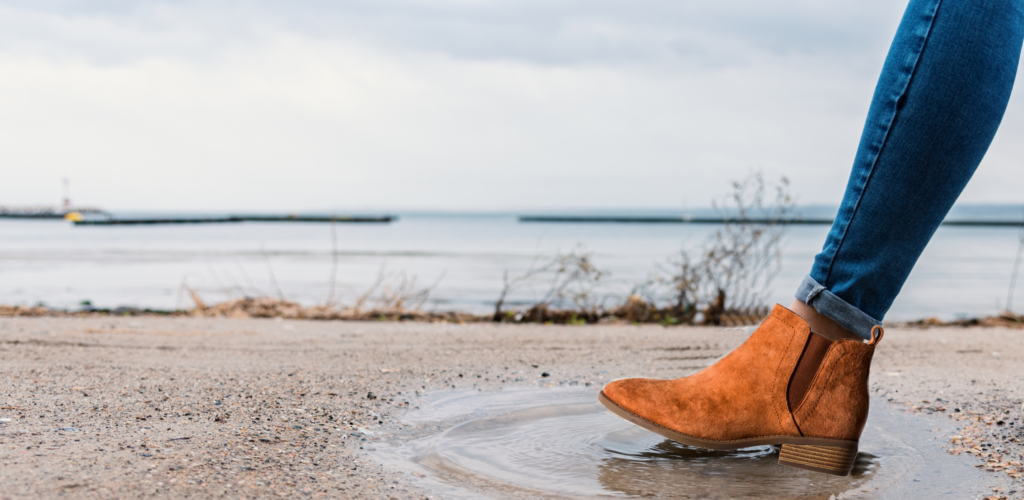
Yes, suede can handle a little water. It’s best to avoid wearing suede on a rainy day, but it won’t ruin your shoes if caught in the rain. Getting your suede shoes wet is not the end of the world, but it necessitates extra care to ensure they remain in good condition and prevent damage.
When suede gets wet, the fibers can become stiff and brittle once they dry. These brittle hairs can break off and cause permanent damage. You may also get water spots on the surface. That said, getting your suede shoes wet will not result in permanent damage if treated properly, even if salt is involved.
What to do if Suede Shoes Get Wet?
First, get home and take them off. Don’t fret too much over spots or discoloration. With some patience, you can restore them to their original condition.
Dry Suede Shoes
First, blot the suede with a microfiber towel if you have one; if not, use a clean cotton rag to remove as much moisture as possible. Then, stuff the shoes inside with newspaper, a kitchen towel, or a cotton rag to draw out the water and keep their shape as they dry. If the stuffing gets wet, replace it with a dry filling. Let the shoes dry completely; this usually takes about 24 hours.
During this crucial 24-hour period, exercising patience is imperative. Refraining from subjecting the shoes to direct sunlight or using a blow dryer is vital. These actions could lead to the suede drying out too much.
Brush suede shoes
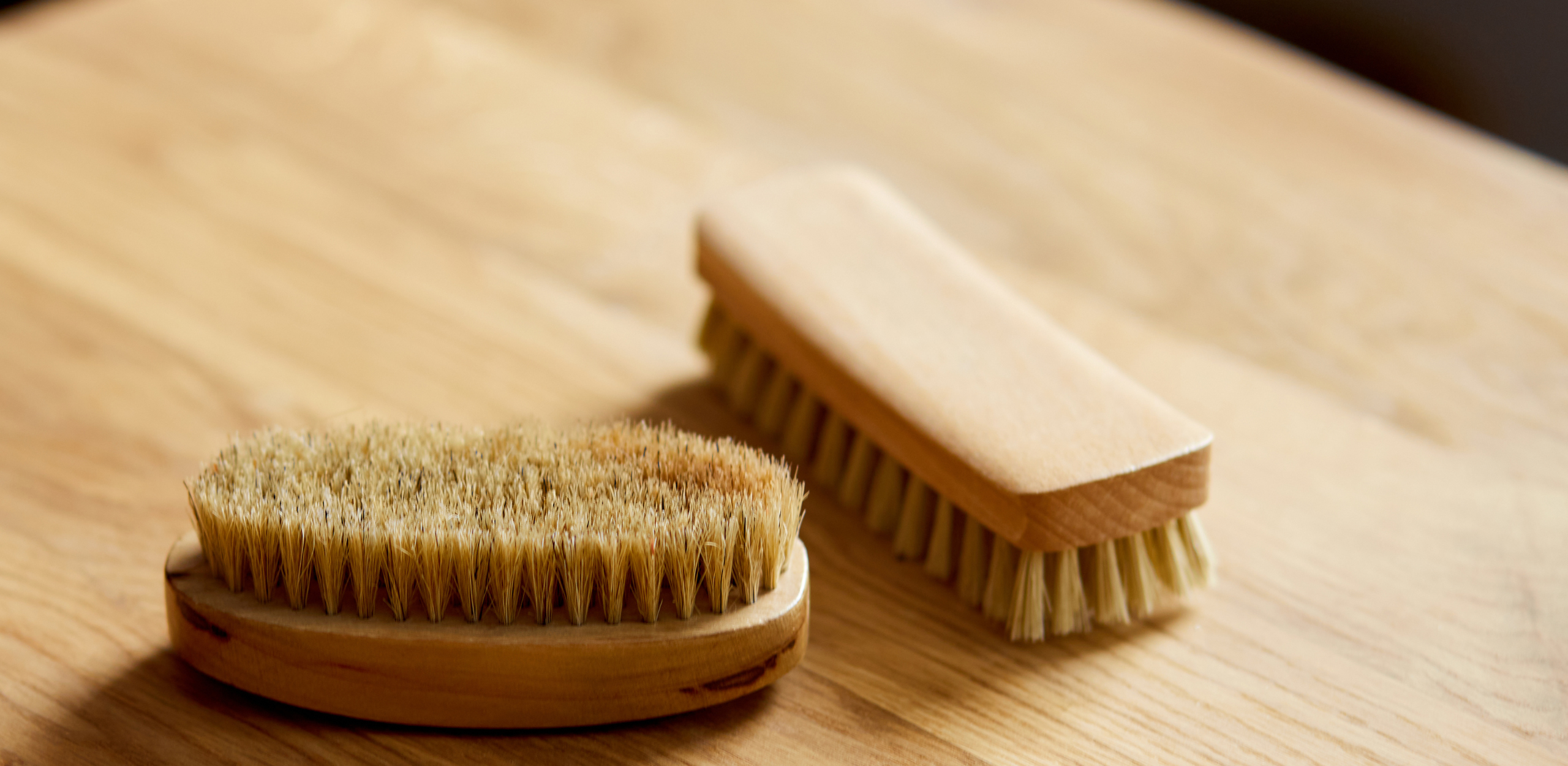
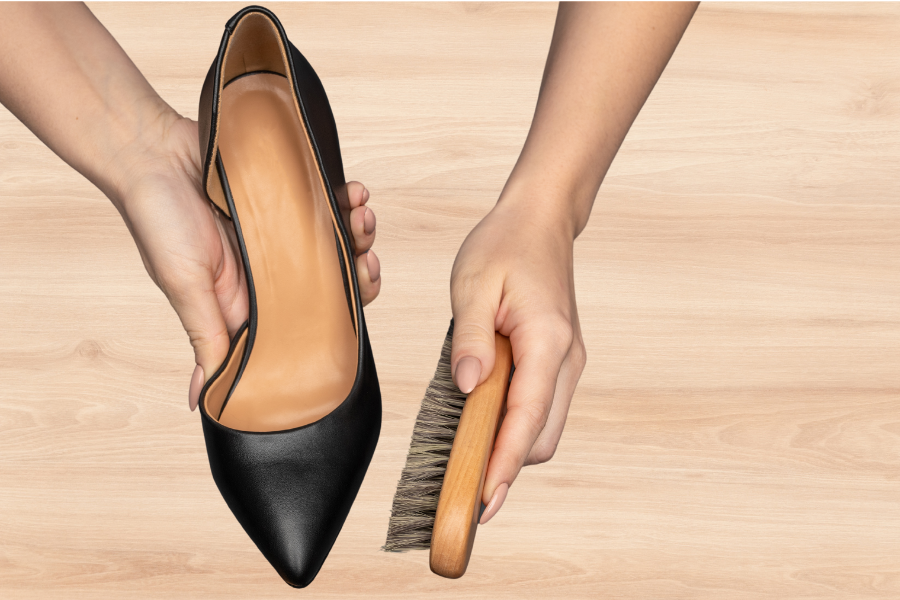
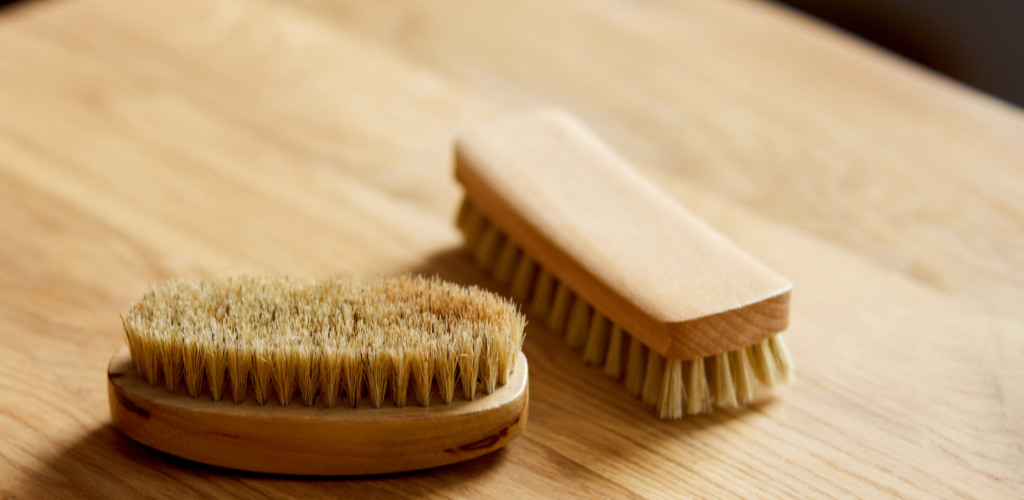
When completely dry, gently brush them with a soft horse hair suede brush to restore their nap and texture. Brush with the nap of the suede. This helps restore the hair fibers. Just remember to keep a separate brush reserved solely for suede. The brushing re-rejuvenates the matted hair and brings it back to life.
I love the brush in the Suggies Suede Care Kit. This kit also comes with a suede eraser.
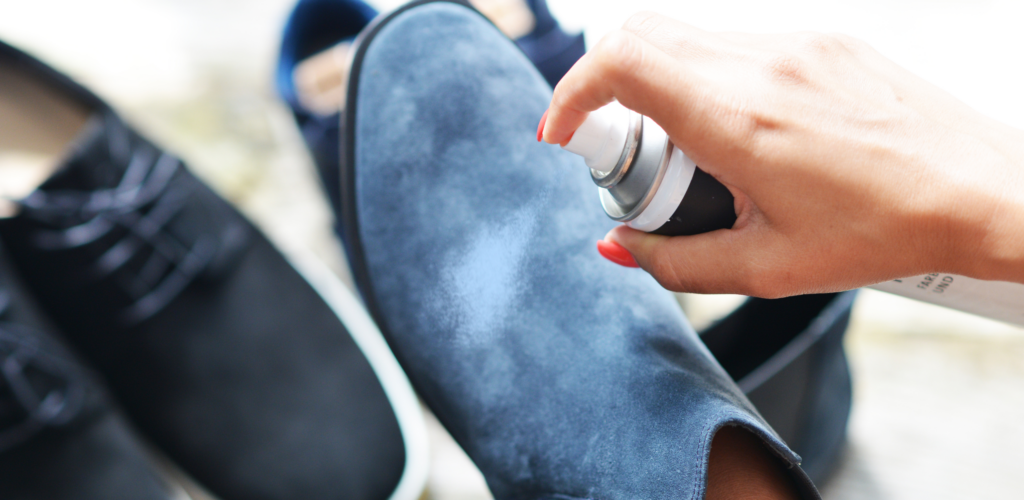
Protective suede sprays
To protect your suede shoes from getting wet in the future, consider using a water-repellent spray. Sprays can provide a layer of protection against rain and other sources of moisture. My favorite suede waterproof spray is a product many shoe industry insiders use. It provides an invisible shield over your shoes, effectively repelling water, oil, and dirt. It works wonders on leather and canvas, making it a valuable household item.
Conclusion
In short, leather and suede shoes and boots can get wet if you take steps to dry them properly and care for them afterward. This direction will help ensure your shoes remain in good condition and last longer. Additionally, it’s always best to avoid overly wet conditions whenever possible by wearing water-resistant shoes if you expect rain or snow. These tips will help protect the leather and suede and keep your feet dry.